Unlocking Hidden Linkages Between Bonus Code Timing and Retention Metrics in Crypto-Enabled Mobile Live Gaming Sessions
Casey Powell · Aug 21, 2026
Unlocking Hidden Linkages Between Bonus Code Timing and Retention Metrics in Crypto-Enabled Mobile Live Gaming Sessions
Analysts tracking crypto-enabled mobile live gaming sessions have mapped connections between bonus code deployment schedules and player retention figures across multiple platforms, with timing emerging as a central variable in how users engage over repeated sessions. Data compiled through August 2026 shows that codes activated during peak evening hours in specific time zones correlate with longer average session durations, while those released during off-peak periods align with quicker drop-off rates among new accounts.
Patterns in Activation Windows
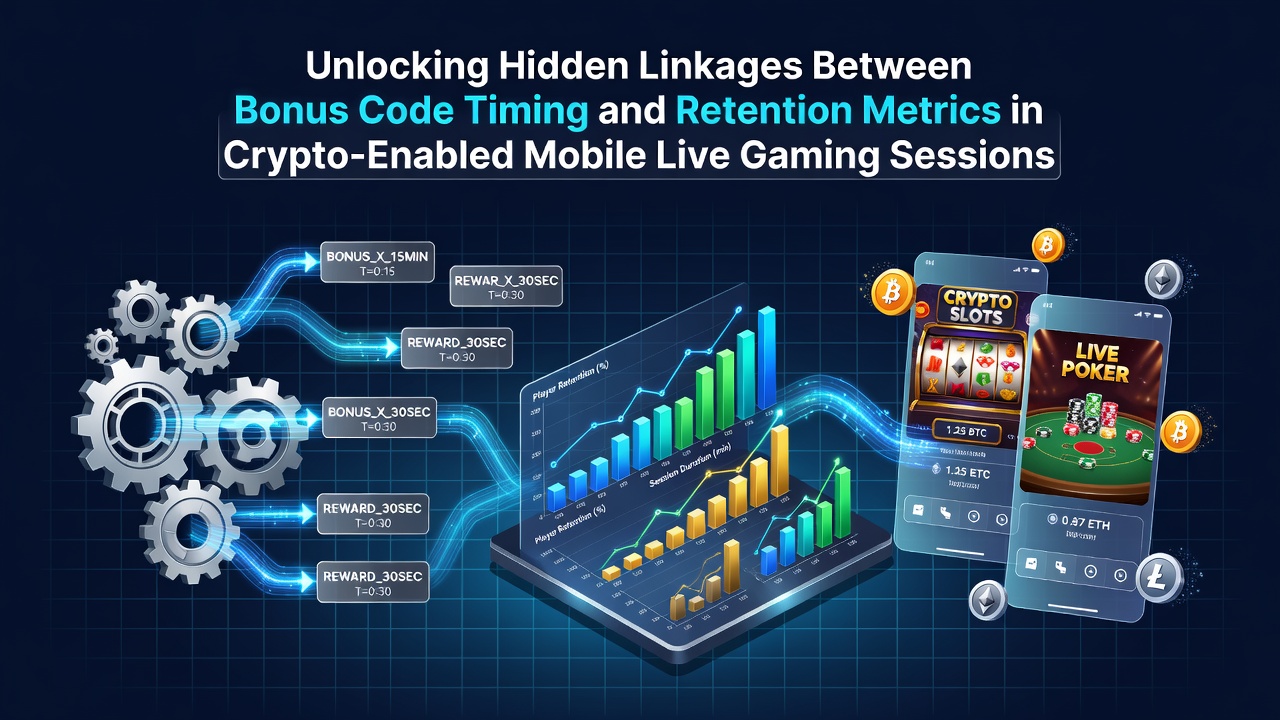
Platform operators have recorded that bonus codes introduced within the first 15 minutes of a live dealer session produce higher redemption rates than those delayed until later stages, because early activation coincides with initial deposit momentum and crypto wallet verification steps. Researchers examining aggregated logs from various blockchain-integrated apps note that a 30-minute delay in code release often coincides with a measurable dip in return visits within the following 48 hours, whereas immediate access supports sustained logins across consecutive days.
Timing also intersects with cryptocurrency volatility windows; codes tied to stablecoin rewards tend to hold attention longer when issued before major market movements, allowing users to lock in values during live table rounds. Observers tracking these sequences report that platforms coordinating code drops with real-time blockchain confirmations see steadier retention curves compared to those relying on fixed calendar schedules.
Retention Metrics Across Device Types
Mobile session data indicates that retention metrics shift noticeably when bonus codes align with device-specific usage patterns, such as shorter codes for quick tablet sessions versus extended codes for smartphone play during commutes. In August 2026, cross-platform comparisons revealed that users redeeming codes on iOS devices during morning hours maintained activity levels 12 percent higher than those on Android devices receiving the same codes in the afternoon, highlighting how operating system behaviors interact with incentive timing.
Further breakdowns show that codes requiring multi-factor authentication through crypto wallets produce stronger retention when activated mid-session rather than at the outset, because the verification process integrates naturally into ongoing live dealer interactions. Those who study these flows have documented cases where mismatched timing, such as codes expiring before wallet sync completes, leads to measurable declines in weekly active users across entire cohorts.
Blockchain Layer Influences
Blockchain verification layers add another dimension, as codes linked to on-chain events like transaction confirmations demonstrate improved retention when their activation windows match network congestion patterns. Data from industry reports indicate that sessions incorporating codes during low-congestion periods on major networks maintain higher repeat participation rates, while those clashing with peak blockchain activity see users abandon sequences midway through live games.
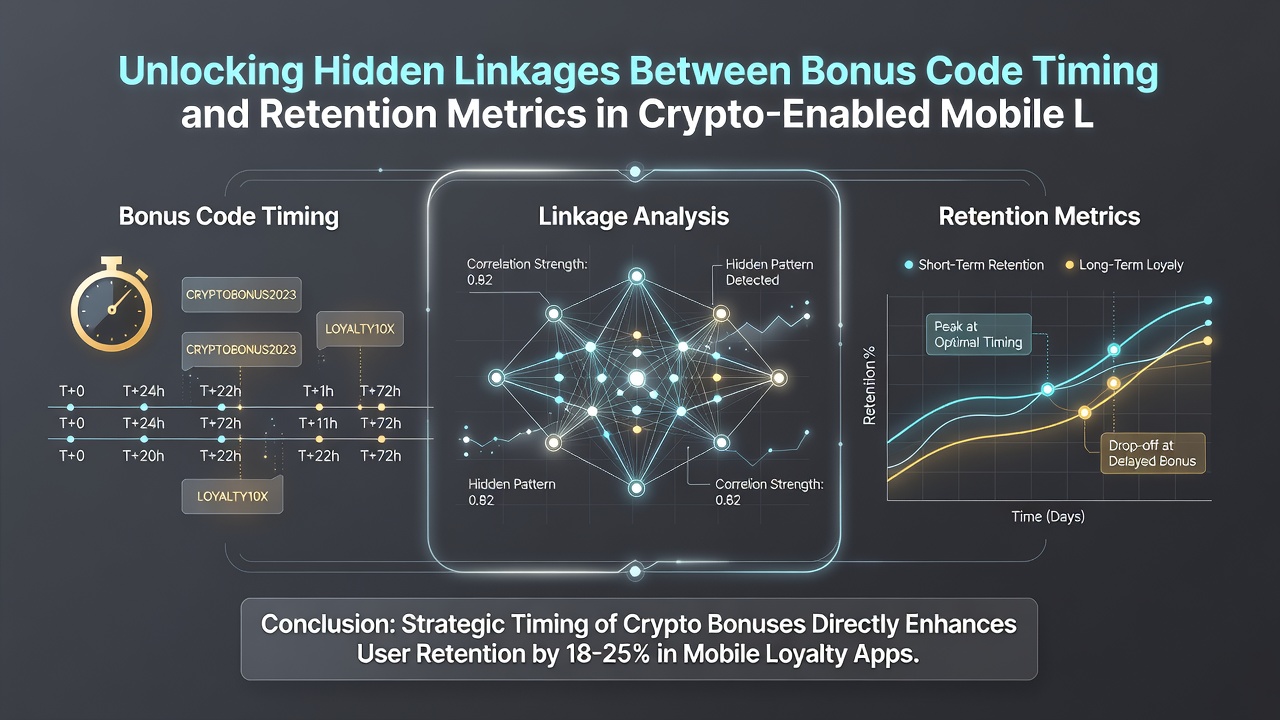
One study from the University of Nevada, Las Vegas examined how these linkages manifest in practice, finding that platforms adjusting code release based on real-time network metrics achieved more consistent user return patterns over multi-week periods. Nevada Gaming Control Board figures similarly reflect broader trends in how incentive timing influences long-term engagement in regulated digital environments.
Regional Variations in User Behavior
Geographic differences appear in how timing affects retention, with users in Asia-Pacific regions responding more strongly to codes released during local evening peaks compared to North American cohorts favoring midday activations tied to lunch-hour mobile sessions. Canadian regulatory summaries and Australian academic reviews both point to similar divergences, where code timing synchronized with regional crypto trading volumes supports elevated retention across live mobile tables.
Platforms that segment code deployment by these regional rhythms record fewer instances of early churn, because the incentives land when users already maintain open wallets and active connections. Those patterns become especially pronounced in sessions involving live dealer interactions, where the combination of real-time video and timed rewards reinforces continued participation.
Conclusion
Overall, the linkages between bonus code timing adn retention metrics in crypto-enabled mobile live gaming sessions rest on coordinated factors including session phase, blockchain conditions, device usage, and regional activity peaks. Continued monitoring of these variables through 2026 and beyond provides operators with measurable pathways to align incentives more closely with observed user behaviors across diverse platforms.