Tracing Reward Accumulation Trends Among Dedicated Users of Electronic Betting Platforms
Sam Günther · May 22, 2026

Tracing Reward Accumulation Trends Among Dedicated Users of Electronic Betting Platforms
Electronic betting platforms have developed sophisticated systems that allow dedicated users to build reward balances through repeated activity, and these mechanisms often combine loyalty points, tiered bonuses, and cashback structures into integrated programs. Observers note that regular participants tend to focus on consistent engagement rather than isolated sessions because platforms calculate accumulation based on total wagering volume and frequency of play. Data from various regulatory bodies shows steady growth in such programs as operators refine algorithms to match individual behavior patterns.
How Reward Systems Operate on Digital Platforms
Users earn points primarily through wagers placed across slots, table games, and sports markets, while multipliers apply during promotional periods to accelerate balances. Platforms convert these points into usable credits or exclusive perks once certain thresholds are reached, and the process relies on real-time tracking that updates after each completed round. Researchers at institutions like the University of Nevada Reno have documented how these systems encourage longer session durations among core audiences because visible progress toward the next reward level motivates continued activity.
Many operators now segment users into categories based on historical data, which allows higher tiers to receive enhanced accumulation rates and faster redemption options. This segmentation draws from metrics such as average bet size and return-to-player percentages, so dedicated players often notice quicker progress compared with occasional visitors. According to reports from the New Jersey Division of Gaming Enforcement, reward redemptions increased notably in recent years as mobile interfaces made point tracking more accessible during commutes or downtime.
Observed Patterns in Accumulation During Recent Periods
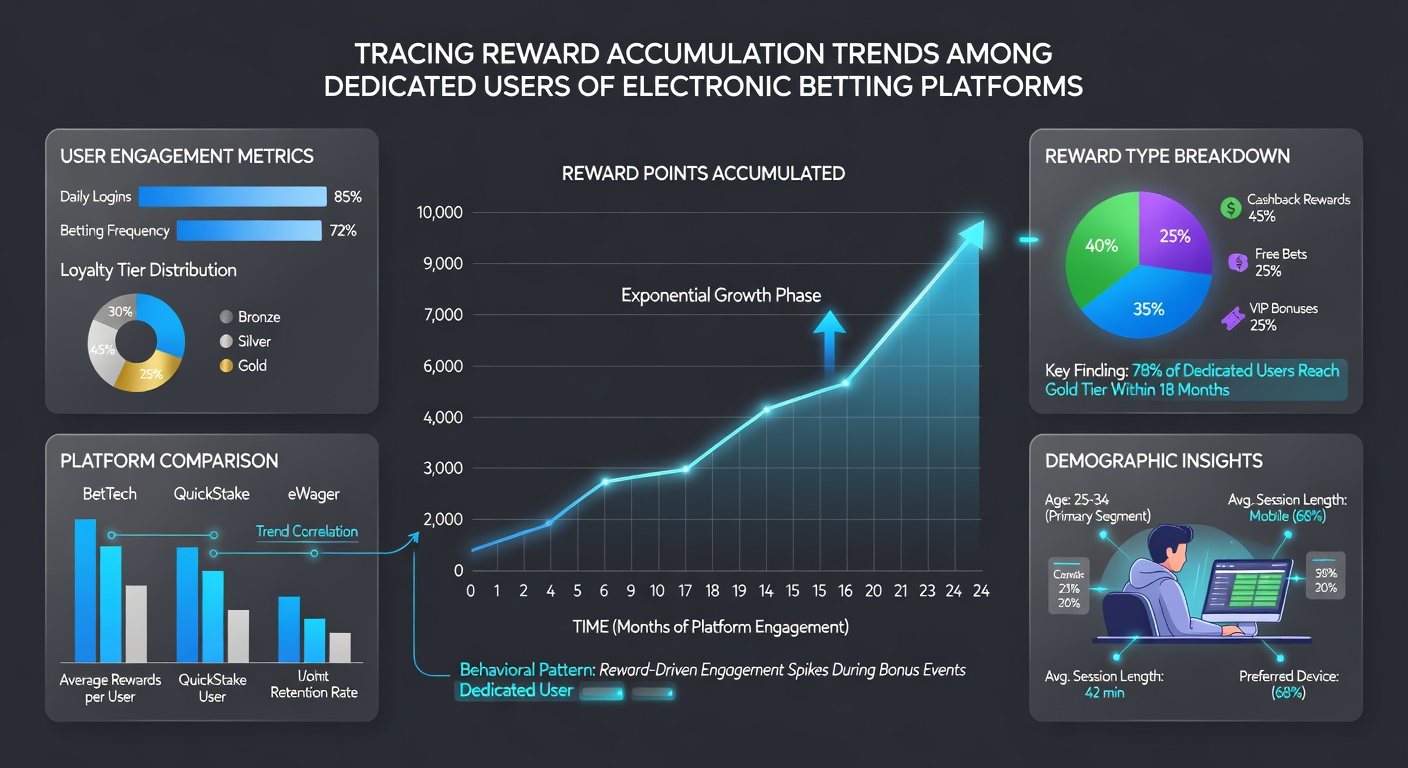
Analysis of user data reveals that accumulation tends to follow predictable cycles tied to pay cycles and sporting calendars, with spikes occurring around major events when wagering volumes rise across the board. Dedicated participants frequently combine multiple platforms to maximize points from overlapping promotions, although single-site loyalty programs still capture the largest share of repeat activity. Figures released in May 2026 indicated that average reward balances among top-tier users grew by measurable margins on platforms offering integrated live dealer options alongside traditional slots.
Geographic differences appear in how rewards translate into value, because North American users often prioritize cashback while European participants lean toward tournament entries and merchandise. Platforms adjust accrual formulas seasonally to maintain engagement during slower months, and this flexibility helps sustain interest among those who treat betting as a structured hobby rather than spontaneous entertainment. Studies from the Australian Gambling Research Centre have highlighted similar patterns where loyalty tiers correlate strongly with session length and total deposits over six-month windows.
Role of Data Analytics and Personalization
Modern platforms employ machine learning models that predict when a user is approaching a redemption point and then surface tailored offers to maintain momentum. These models analyze past accumulation rates alongside game preferences so that suggestions align with proven interests rather than generic promotions. Observers point out that such personalization has become standard because it improves retention metrics tracked by operators and regulators alike.
Dedicated users who monitor their own progress through in-app dashboards often adjust betting strategies to optimize point earnings, for instance by favoring games with higher contribution percentages toward loyalty totals. This behavior creates feedback loops where platforms respond with refined rules that keep accumulation visible and achievable. Reports from the European Gaming and Betting Association note that transparency features like progress bars and projected rewards have become common additions across regulated markets in 2025 and 2026.
Challenges and Adjustments in Reward Tracking
Technical issues such as delayed point postings after large wins or network interruptions occasionally disrupt accumulation streaks, yet most platforms now include manual review processes to correct discrepancies within set timeframes. Regulatory requirements in multiple jurisdictions mandate clear disclosure of how points convert and expire, which has reduced disputes while increasing user trust in the overall system. Those who study platform mechanics observe that clearer rules tend to support steadier accumulation trends among long-term participants.
Cross-border users sometimes encounter variations in reward structures due to differing local rules, which can slow progress when accounts are accessed from multiple regions. Operators address this by offering region-specific tiers that maintain consistent value regardless of access location. Data compiled through 2026 shows continued refinement of these international frameworks as electronic betting expands into new markets.
Conclusion
Tracing reward accumulation trends reveals a landscape shaped by data-driven personalization, regulatory oversight, and user adaptation across electronic platforms. Patterns documented through mid-2026 demonstrate steady evolution in how dedicated participants build and redeem balances, supported by analytics that respond to real behavior rather than assumptions. Continued monitoring by academic and industry groups will likely highlight further adjustments as technology and rules develop in parallel.