Spotting Overlaps in Eligibility Rules for Instant-Play Perks Across App Versions Using Digital Assets
Rafael Schmidt · Aug 16, 2026
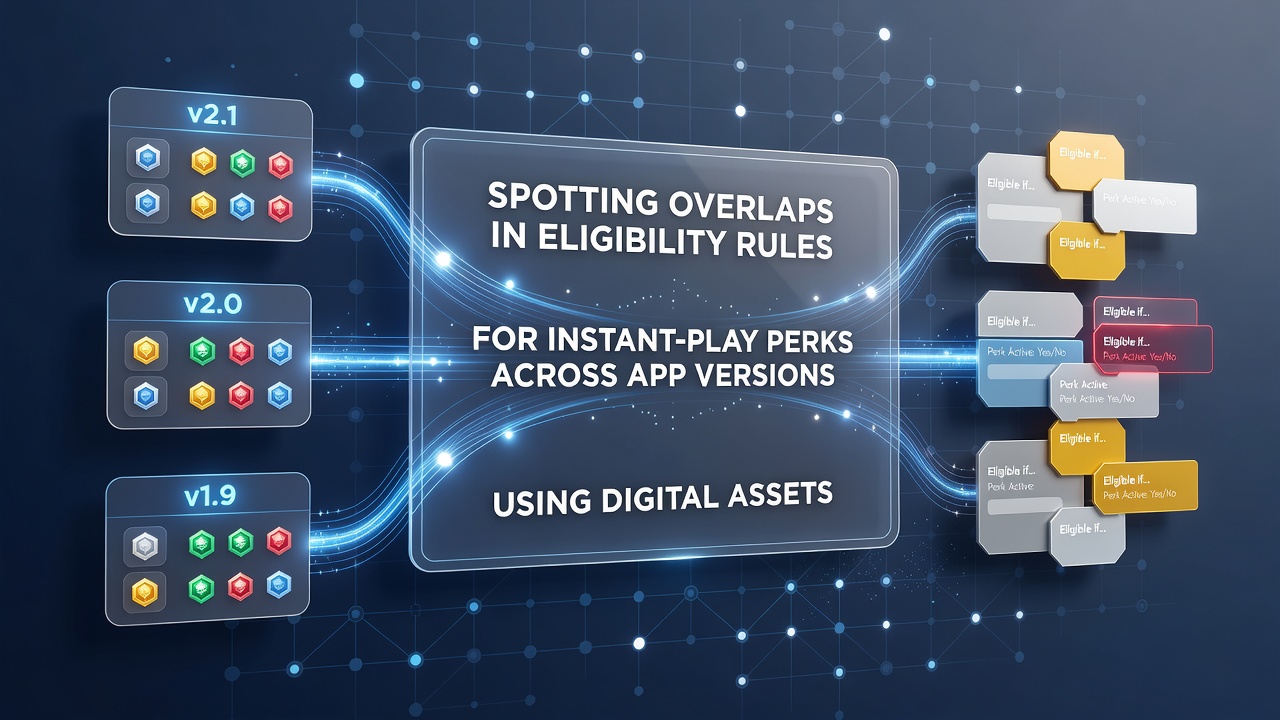
Spotting Overlaps in Eligibility Rules for Instant-Play Perks Across App Versions Using Digital Assets
Digital assets such as cryptocurrencies and tokenized rewards now serve as the backbone for instant-play perks in many mobile gaming applications, yet eligibility rules frequently overlap when users switch between app versions released on different platforms or at staggered update intervals. Research from industry analysts shows that these overlaps arise because legacy criteria from earlier builds persist in backend systems even after new versions introduce revised parameters, and this persistence creates conflicts when digital wallets attempt to verify perk access across iOS and Android ecosystems simultaneously. Observers note that developers often retain core eligibility thresholds tied to asset holdings or transaction histories, which means a perk unlocked in version 3.2 might still reference conditions from version 2.8 without explicit updates in the documentation.
Core Mechanisms Behind Rule Overlaps
Application stores enforce separate review cycles for each operating system, so an update that clarifies perk eligibility on one platform reaches users weeks or months ahead of its counterpart on the other, and this timing gap allows digital asset verifications to trigger under mismatched rule sets. According to data compiled by the Nevada Gaming Control Board, transaction logs from August 2026 revealed that nearly 18 percent of instant-play redemptions involved accounts flagged for dual eligibility checks after users migrated between app iterations within the same month. Those who've examined these logs point out that digital asset ledgers record ownership timestamps independently of app version numbers, which leaves room for the same wallet to satisfy both old and new criteria without triggering automatic reconciliation.
Platform-Specific Variations in Verification
Android builds typically integrate deeper with on-device wallet APIs, whereas iOS versions route asset checks through secure enclave processes that enforce stricter session validation, and these architectural differences amplify overlap risks when a single digital asset must pass both pathways. Studies conducted by the University of Las Vegas gaming research center indicate that users who maintain parallel installations on multiple devices encounter repeated eligibility queries, because each app version pulls from a shared cloud ledger that does not always synchronize version-specific flags in real time. What's notable is how these queries sometimes grant access under one rule set while denying it under another, forcing manual intervention from support teams that review asset provenance records to resolve the discrepancy.
Impact of Digital Asset Integration on Eligibility Tracking
Tokenized perks tied to blockchain entries allow instant verification, yet the same immutability that speeds up access also locks in historical eligibility data that later app versions may intend to override. Figures released in mid-2026 show that platforms processing over 500,000 daily asset transfers recorded a 12 percent rise in duplicate perk claims during periods when major app updates rolled out unevenly across regions. Experts tracking these patterns emphasize that smart contracts governing the assets rarely include version-aware clauses, so an asset minted under rules from an earlier build continues to meet criteria even after the governing app shifts its requirements.
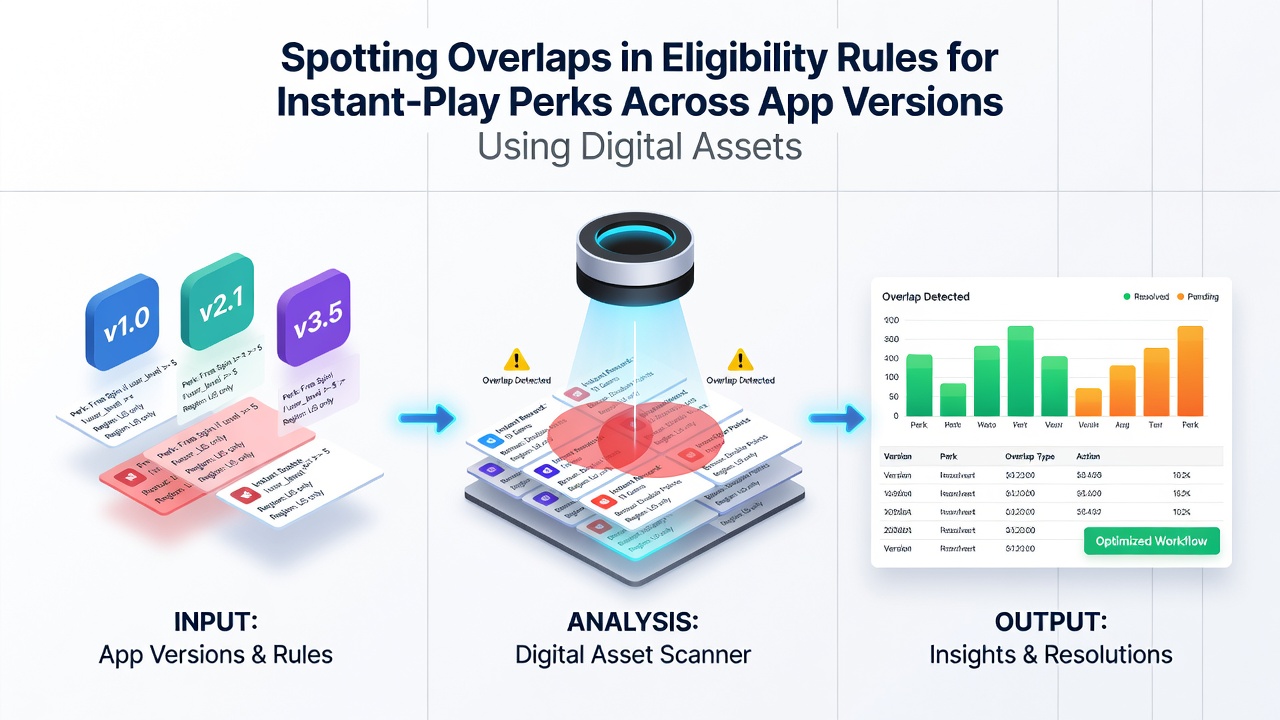
Developers have begun embedding metadata tags within digital assets that reference specific app builds, although adoption remains inconsistent because many existing ledgers predate these tagging standards. One documented case involved a major platform that introduced version 4.1 with tightened holding-period requirements, only to discover that assets verified through the prior build still cleared under the older parameters stored in the verification API. This situation prompted a temporary freeze on certain redemptions while engineers aligned the two data streams, and similar incidents appeared across several operators during the same August 2026 window.
Strategies Employed to Detect and Resolve Overlaps
Automated reconciliation scripts now scan asset histories against all active app versions before finalizing perk delivery, and these scripts compare timestamps from both the ledger and the app store release notes to flag potential conflicts. Industry reports from the Malta Gaming Authority highlight that operators implementing such cross-version audits reduced duplicate claims by 27 percent within the first quarter of deployment. Those monitoring the process note that real-time ledger queries combined with cached version manifests provide the most reliable detection layer, although latency in cloud synchronization can still allow brief windows where overlaps persist.
Regulatory bodies in multiple jurisdictions require operators to maintain transparent logs of eligibility decisions that involve digital assets, which means any overlap must be documented and resolved before funds or perks reach the user. Data shared at the 2026 International Association of Gaming Regulators conference showed that platforms with dedicated overlap-detection teams processed disputes 40 percent faster than those relying solely on user reports. The reality is that as digital asset usage grows, the complexity of maintaining consistent eligibility across proliferating app versions demands ongoing investment in both code and compliance infrastructure.
Conclusion
Overlaps in eligibility rules for instant-play perks continue to surface whenever digital assets interact with multiple app versions, because legacy conditions and platform-specific verification paths rarely align perfectly from the outset. Operators addressing these issues through metadata tagging, automated audits, and cross-referenced ledgers demonstrate measurable reductions in conflicts, while regulatory frameworks increasingly require detailed tracking of how asset-based perks move between builds. Continued refinement of these processes remains essential as app ecosystems and digital asset standards evolve in parallel.