Seasonal Player Migration Patterns and Their Effects on Customized Reward Tiers in Virtual Reality Enabled Betting Networks
Ellis Lange · Jun 23, 2026
Seasonal Player Migration Patterns and Their Effects on Customized Reward Tiers in Virtual Reality Enabled Betting Networks
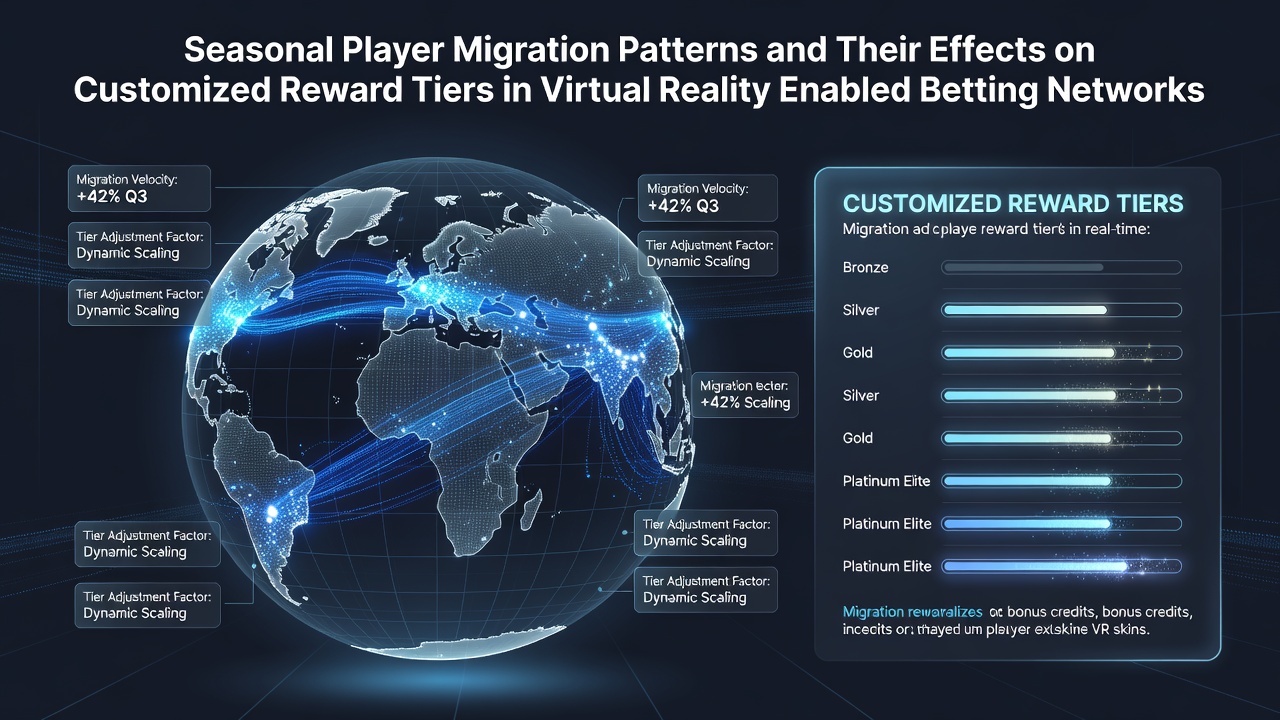
Seasonal player migration patterns in virtual reality enabled betting networks involve users shifting between different platforms and virtual environments based on calendar cycles, weather changes, and holiday periods, while these movements directly influence how operators design and adjust customized reward tiers for individual participants. Data from multiple regions shows that players often relocate during specific months, and operators respond by recalibrating loyalty structures to maintain engagement across fluctuating user bases.
Documented Migration Cycles in VR Betting Environments
Studies tracking user activity across VR betting platforms reveal consistent patterns where participation spikes occur during winter months in northern hemispheres and summer periods in southern regions, and researchers attribute these shifts to changes in available leisure time combined with themed virtual experiences that align with seasonal interests. According to figures from the American Gaming Association, cross-platform transfers increase by measurable percentages when new VR environments launch seasonal events, such as holiday simulations or sports-themed arenas tied to major tournaments.
Operators note that migration intensifies around June 2026 as users move toward platforms offering outdoor virtual simulations during warmer real-world weather, and this timing coincides with regulatory updates in several jurisdictions that affect cross-border access rules. Evidence from platform analytics indicates that dedicated users maintain accounts on multiple networks, allowing seamless transitions when one environment updates its reward structures or introduces new customization options.
Customization Mechanisms in Reward Tier Systems
Reward tiers in these networks rely on algorithms that factor in session frequency, total wager volume, and migration history, and the systems adjust personalized offers based on predicted seasonal movements rather than static annual metrics. When players migrate, their accumulated data transfers through blockchain verification layers, which enables operators to recalibrate tiers without resetting progress, and this continuity supports retention during high-movement periods.
Platform developers integrate machine learning models that analyze past migration data to forecast tier adjustments, and these models incorporate variables such as device type preferences and session duration trends observed across different seasons. Those who monitor network performance report that customized tiers become more granular during peak migration windows, with additional sub-levels created to accommodate users who split time between several VR environments.
Effects on Tier Structures During Peak Migration Periods
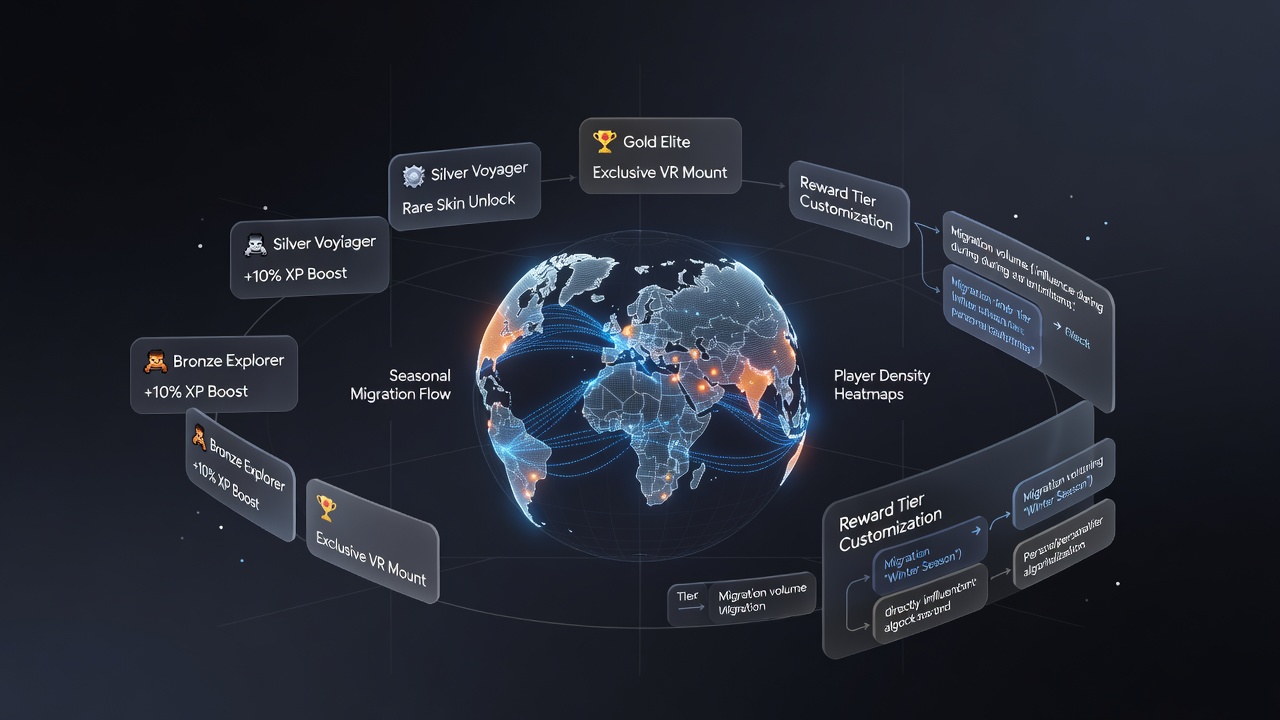
Migration patterns prompt operators to introduce temporary tier multipliers and accelerated progression paths, and these modifications help balance participation when certain networks experience influxes while others see temporary declines. Research from academic institutions tracking digital gaming behaviors shows that reward redemption rates fluctuate in direct correlation with migration volume, and operators respond by offering location-specific bonuses that activate only after users complete a minimum number of cross-platform sessions.
During June 2026, several networks implemented updated tier frameworks that accounted for increased user movement toward VR environments featuring real-time event integrations, and these changes resulted in more flexible redemption windows for accumulated points. Observers note that the interplay between migration and tier customization creates feedback loops where user behavior further refines the algorithms used for future adjustments.
Regional Variations and Data Integration Practices
Different geographic areas exhibit distinct migration rhythms influenced by local regulations and cultural events, and operators compile this information through anonymized data sharing agreements with regulatory bodies in multiple jurisdictions. A report issued by the Australian Institute of Criminology highlights how seasonal shifts in participation affect reward tier sustainability, particularly when users from one region dominate certain virtual spaces during their off-peak local seasons.
Blockchain layers facilitate the secure transfer of player metrics across borders, and this infrastructure allows reward tiers to remain consistent even as users migrate between networks operated under varying legal frameworks. Data integration practices continue to evolve as platforms incorporate additional variables such as time zone overlaps and virtual event schedules that align with real-world seasonal changes.
Conclusion
Seasonal migration patterns continue to shape the development of customized reward tiers within virtual reality enabled betting networks through ongoing data analysis and adaptive system design. Operators rely on verified migration statistics to maintain balanced participation, and the resulting tier structures reflect both predictable cycles and emerging trends observed across different regions. As networks expand their VR capabilities, the connection between user movement and reward customization remains a central focus for platform management.