Ripple Effects of Loyalty Tier Shifts on Redemption Timing in Virtual Table Environments
Sam Günther · Aug 21, 2026
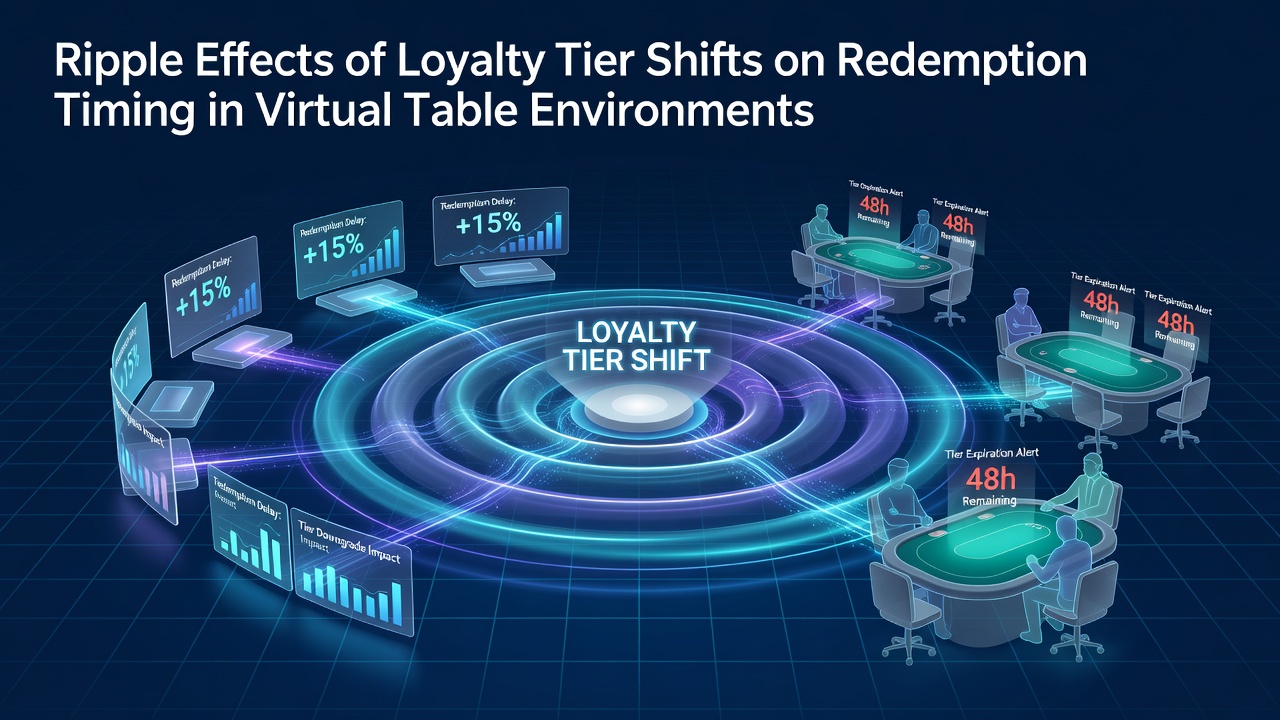
Ripple Effects of Loyalty Tier Shifts on Redemption Timing in Virtual Table Environments
Virtual table environments encompass online platforms where players engage with games such as blackjack, roulette, and poker through digital interfaces, and loyalty programs within these spaces track participation to assign tier levels that unlock varying benefits. Shifts between these tiers occur when accumulated activity meets or falls short of established thresholds, and observers note that such movements frequently alter the timing of reward redemptions as users adjust their strategies to new benefit structures. Data from industry monitoring in August 2026 shows increased activity around tier transitions, particularly in environments that integrate blockchain verification for transaction tracking.
Mechanics of Tier Progression and Its Influence on User Behavior
Tier systems typically divide users into categories based on metrics like total wagers, session frequency, and duration, with higher tiers granting perks such as accelerated point conversion rates or exclusive redemption windows. When a player advances to a superior tier, redemption timing often compresses because enhanced multipliers allow points to reach usable thresholds more rapidly, whereas demotions extend intervals as reduced rates require additional play to accumulate equivalent value. Research indicates that these patterns hold across multiple platforms, with analysts at the New Jersey Division of Gaming Enforcement documenting correlations between tier changes and adjusted redemption cycles in regulated virtual gaming reports.
Users who experience upward shifts tend to redeem sooner to capitalize on temporary advantages, while those facing downward adjustments delay actions until they stabilize their positions through renewed activity. And here's where the rubber meets the road, because the timing adjustments create cascading effects on overall platform engagement, as redemptions cluster around transition periods rather than spreading evenly throughout the month.
Observed Patterns in Redemption Timing Following Tier Changes
Studies tracking virtual table participants reveal that redemptions spike within 48 to 72 hours after a tier elevation, driven by teh activation of new conversion efficiencies that make previously marginal point balances viable for exchange. Conversely, tier reductions lead to extended holding periods, often stretching from days into weeks, as individuals seek to rebuild status before committing points to redemptions that now yield lower returns. Figures from platform analytics in mid-2026 highlight these trends, showing that environments with virtual table offerings experience more pronounced timing shifts compared to slot-focused systems due to the strategic depth involved in table game play.
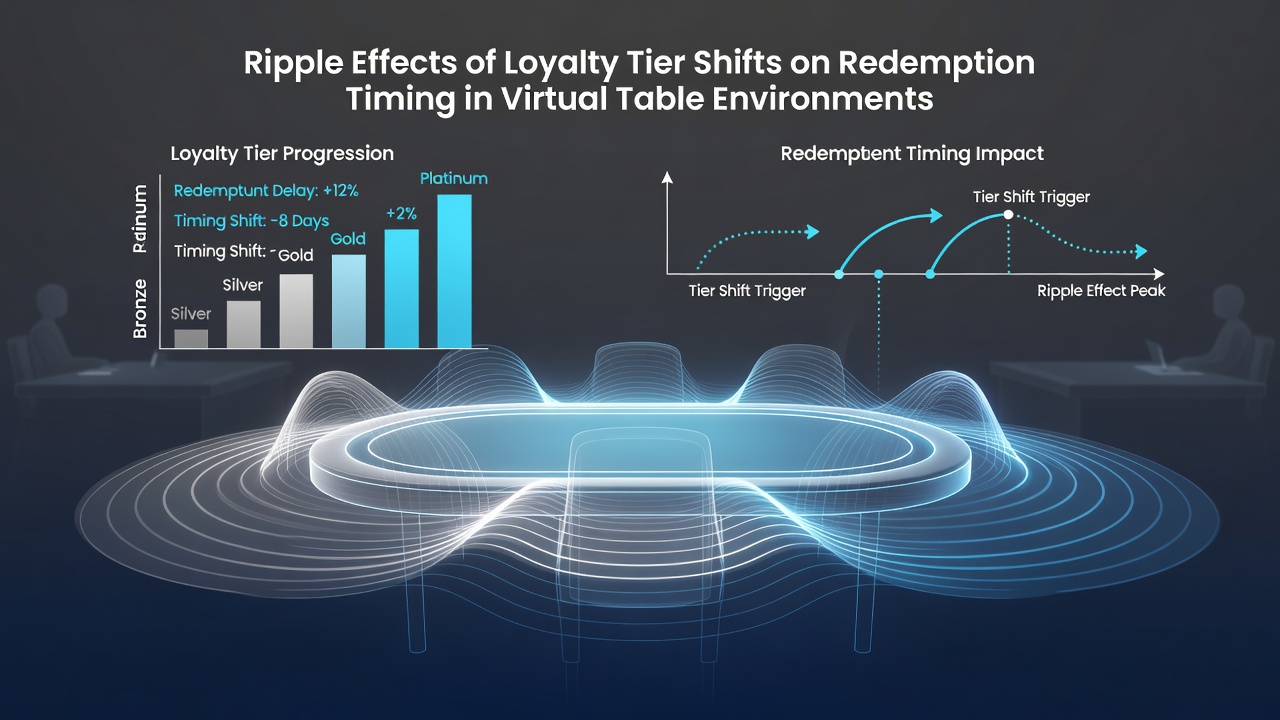
Regional Variations and Data Insights
Patterns differ by regulatory region, with North American platforms reporting faster post-elevation redemptions tied to competitive loyalty structures, whereas Asian markets demonstrate steadier holding behaviors even after tier gains because of cultural emphasis on long-term accumulation. A report from the Casino Regulatory Authority of Singapore outlines how tier shifts influenced redemption clusters during peak periods, noting that virtual table sessions contributed disproportionately to timing volatility when compared to other game categories. Those who've examined cross-border data find that August 2026 updates to several major platforms coincided with measurable increases in redemption velocity following system-wide tier recalibrations.
Factors That Amplify or Mitigate Timing Shifts
Device type, session length, and integration with blockchain layers all interact with tier movements to shape redemption decisions, as mobile users often redeem more quickly after upgrades due to seamless app-based interfaces. Extended sessions allow players to monitor tier progress in real time, prompting immediate redemptions upon notification of status changes, while shorter interactions delay awareness and subsequent actions. Evidence from academic analyses at institutions focused on gaming economics points to these variables as key moderators, with blockchain verification adding transparency that reduces hesitation around timing because users can verify point validity instantly.
Take one dataset compiled across multiple operators where upward tier shifts reduced average redemption intervals by 35 percent in virtual table sections, yet the same platforms saw intervals lengthen by 22 percent following demotions, illustrating the bidirectional ripple effects at play. What's significant is how these dynamics influence inventory management for operators, since clustered redemptions strain reward fulfillment systems during transition windows.
Conclusion
Loyalty tier shifts generate measurable impacts on redemption timing within virtual table environments through altered benefit calculations and user response patterns, with data consistently showing compressed cycles after advancements and extended ones after reductions. Regulatory bodies and research entities continue to track these interactions as platforms evolve, providing ongoing insights into how tier mechanics shape participation rhythms across global markets.