Mapping Device-Specific Reward Flows in Virtual Table Environments
Ellis Lange · Jun 19, 2026

Mapping Device-Specific Reward Flows in Virtual Table Environments
Virtual table environments encompass digital platforms that simulate card games and similar table-based activities through software interfaces accessible via multiple device types. Researchers at institutions focused on digital gaming analytics have documented how reward flows operate differently depending on whether users engage through smartphones, tablets, or desktop systems. Data compiled in early 2026 shows distinct accumulation patterns tied directly to hardware specifications and connection protocols.
Device Categories and Their Distinct Pathways
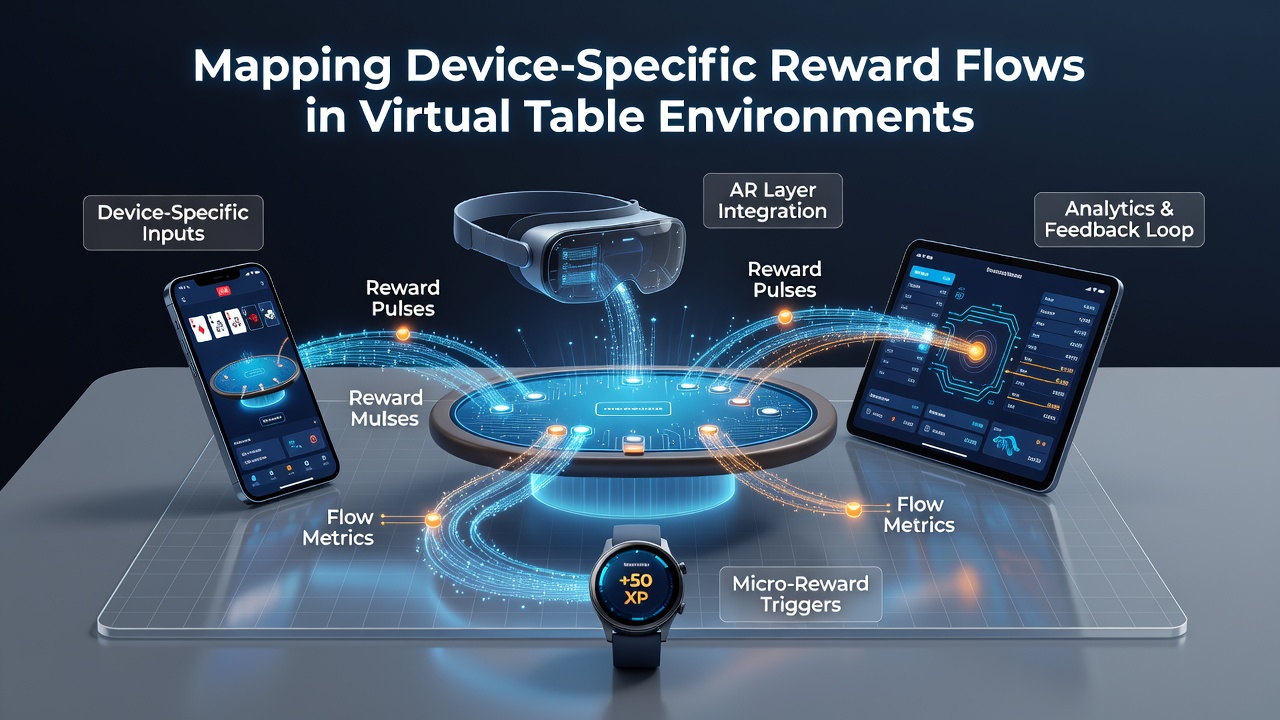
Mobile devices route reward signals through app-based verification layers that prioritize touch input metrics and session continuity across cellular networks while desktop setups process flows via browser sessions that capture keyboard navigation data and extended idle periods. Observers note that tablets occupy an intermediate position where hybrid input methods generate blended reward sequences that combine elements from both mobile and desktop categories. Studies conducted by the University of Nevada's gaming technology division indicate these variations arise because each device type transmits unique telemetry packets that influence how incentive algorithms allocate points and bonuses.
June 2026 reports from platform operators reveal that mobile sessions account for approximately 62 percent of total reward redemptions in virtual table settings yet exhibit shorter accumulation cycles compared to desktop equivalents. Tablet users demonstrate intermediate patterns where reward thresholds activate after fewer consecutive sessions than desktop participants require. These differences stem from variations in processing power, screen resolution handling, and network latency tolerance built into the underlying software architectures.
Data Collection Methods Across Platforms
Analytics teams employ device fingerprinting techniques that log hardware identifiers alongside reward transaction timestamps to construct detailed flow maps. The process involves capturing entry points for each reward event then tracing subsequent movements through verification nodes until final redemption occurs. According to findings released by the Canadian Institute for Gaming Research, mobile flows tend to cluster around rapid micro-transactions while desktop pathways spread across longer temporal windows with larger individual transfers.
Blockchain integration adds another dimension because distributed ledgers record device origin codes alongside each reward unit. This allows operators to segment user bases by hardware category without compromising transaction anonymity. One analysis from the Singapore Casino Regulatory Authority examined over 1.2 million virtual table sessions and identified that desktop-originated rewards showed 18 percent higher retention rates through multi-stage verification compared to mobile counterparts during the same monitoring period.
Technical Mapping Frameworks
Engineers construct flow diagrams by layering device metadata onto reward event graphs where nodes represent accumulation stages and edges indicate transfer conditions. Mobile environments often feature compressed mapping structures because battery and bandwidth constraints limit the number of intermediate checkpoints available. Desktop frameworks support more elaborate branching because stable power supplies and higher bandwidth permit additional verification layers before rewards finalize.
Platform updates deployed in May and June 2026 introduced standardized APIs that standardize how device types report reward status to central servers. These changes enable more precise cross-device comparisons while maintaining separation between distinct hardware categories. Research teams continue refining algorithms that predict flow interruptions based on device-specific error rates observed during peak usage hours.
Regional Variations in Implementation
European operators have adopted mapping protocols that emphasize compliance with data protection regulations while North American platforms focus on integration with existing loyalty program infrastructures. Australian regulatory bodies require explicit disclosure of device-based reward differentials in user agreements. These regional approaches produce distinct datasets that researchers compare to identify universal patterns versus localized adaptations.
Cross-border studies compiled by the Asia-Pacific Gaming Association highlight how time zone differences interact with device preferences to shape reward distribution curves. Evening mobile sessions in one region often mirror afternoon desktop patterns from another region when normalized for local peak hours. Such observations help refine global mapping models that account for both hardware and temporal variables simultaneously.
Conclusion
Device-specific reward flow mapping provides operators and analysts with granular tools for understanding how hardware choices influence incentive dynamics in virtual table environments. Continued refinement of these mapping techniques through 2026 supports more accurate segmentation of user behaviors across mobile, tablet, and desktop categories. The resulting datasets contribute to broader industry efforts aimed at optimizing reward structures while preserving operational transparency across different regulatory jurisdictions.