How Player Loyalty Programs Adapt Reward Structures When Integrating Virtual Table Options With Digital Currency Wallets
Sam Günther · Jul 7, 2026
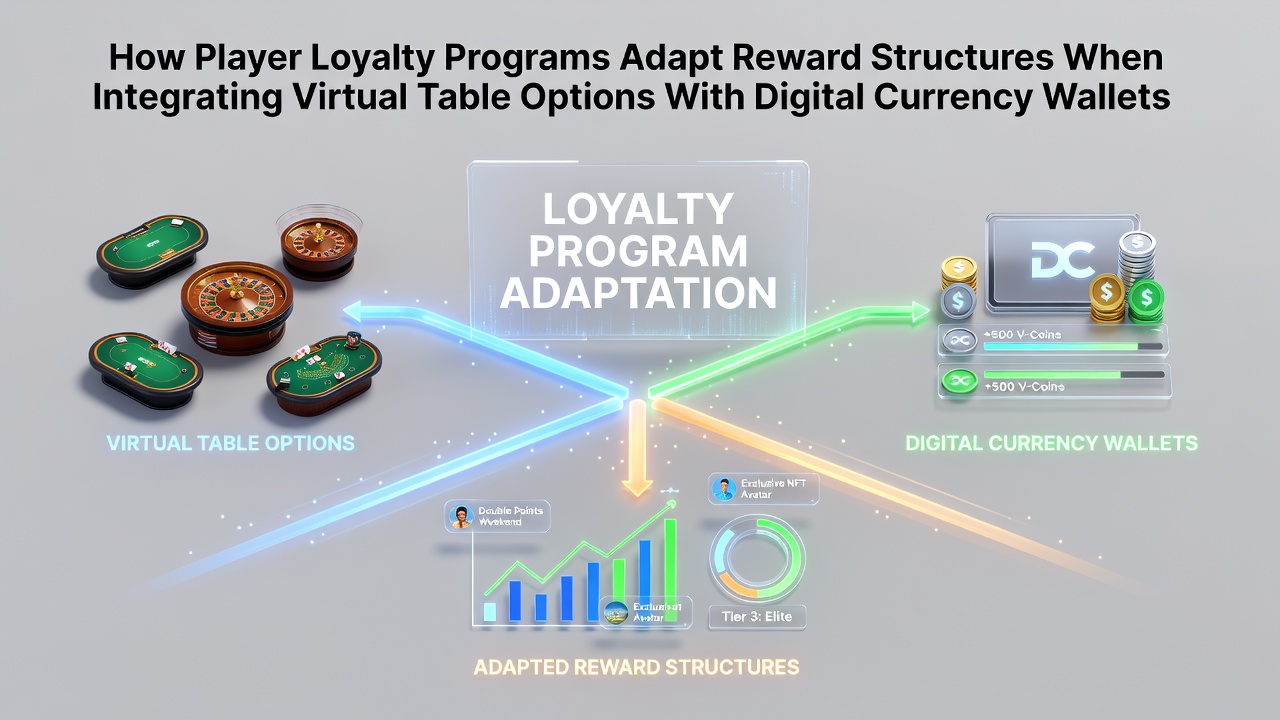
How Player Loyalty Programs Adapt Reward Structures When Integrating Virtual Table Options With Digital Currency Wallets
Player loyalty programs have evolved to handle the combination of virtual table games and digital currency wallets by restructuring how points get earned, tracked, and redeemed across multiple platforms, and operators adjust these systems based on transaction data from blockchain networks along with session metrics from live dealer environments. Research from industry reports shows that reward multipliers now apply differently when users fund accounts through crypto wallets, while virtual table play generates separate accumulation rates compared to traditional slot activity.
Core Adjustments in Point Systems
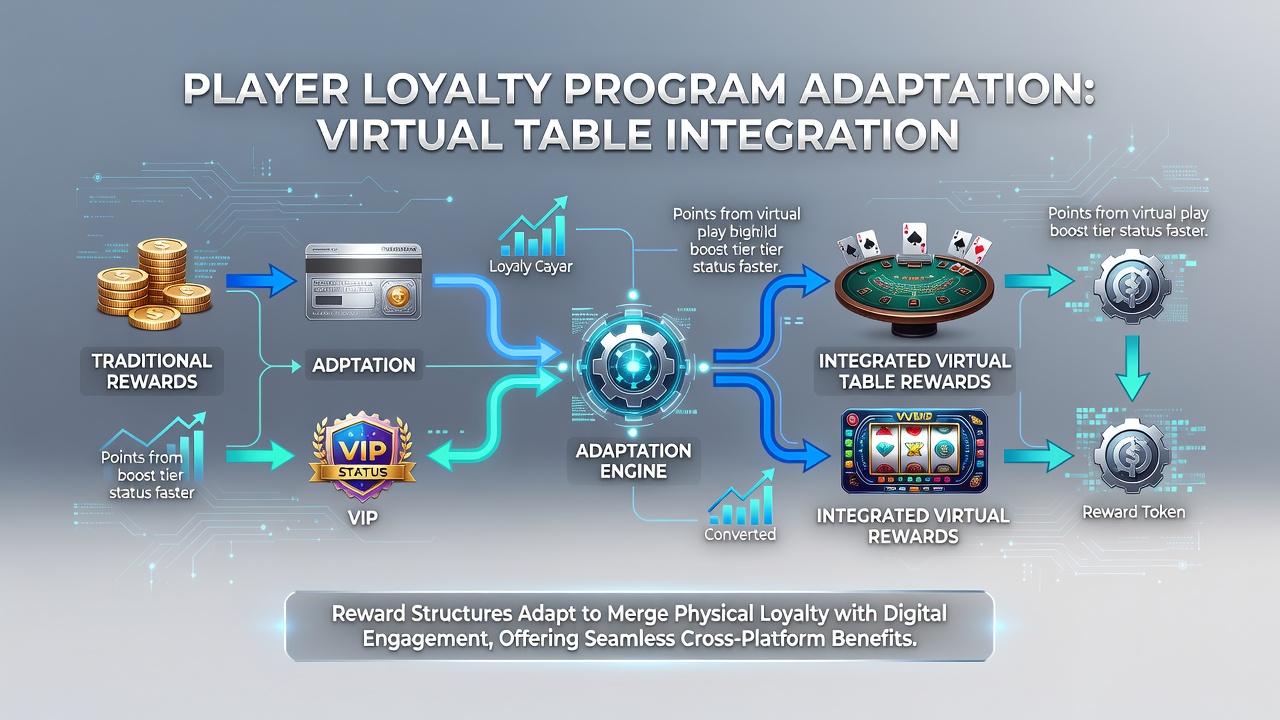
Operators recalibrate base earning formulas so that deposits made via digital wallets trigger immediate bonus point allocations, often calculated through smart contract verifications that confirm transaction finality before crediting accounts. Virtual table options receive dedicated point categories that factor in both wager volume and game duration, creating layered structures where a single session might contribute to both standard loyalty tiers and specialized crypto-specific rewards. Data from multiple platforms indicates these changes reduce friction for users who switch between wallet-funded tables and other content, while maintaining compliance with regional gaming rules.
One platform that rolled out updated structures in early 2026 separated reward pathways into wallet verification bonuses and table-specific multipliers, allowing high-frequency players to accelerate tier progression through combined activity rather than isolated game types. This approach connects deposit history directly to redemption options, such as instant crypto cashouts or table credit conversions.
Wallet Integration Mechanics
Digital currency wallets link to loyalty dashboards through API connections that log every deposit and withdrawal in real time, enabling programs to award points based on net wallet activity instead of single transactions alone. Virtual table environments pull wallet balances automatically for buy-ins, which lets systems track cumulative play without requiring manual point claims from users. Observers note that these integrations often include automated tier adjustments triggered when wallet volumes cross certain thresholds during a calendar month.
Programs also introduce wallet-specific redemption catalogs that convert loyalty points back into cryptocurrency at variable rates tied to market conditions at the time of request. Such flexibility keeps reward value stable for participants who prefer holding digital assets over traditional bonuses, and it aligns with broader shifts toward portable gaming sessions across devices.
Regional Data Patterns Emerging in 2026
Figures released in July 2026 from the Nevada Gaming Control Board highlight increased adoption of combined wallet and virtual table features among licensed operators, with loyalty redemptions showing higher volumes in crypto formats compared to prior quarters. Similar trends appear in reports covering other jurisdictions, where programs adapt accumulation rules to accommodate fluctuating digital asset values without disrupting overall player engagement metrics. Nevada Gaming Control Board reports detail these patterns through anonymized transaction summaries that track how reward structures respond to integrated features.
Programs in various markets now apply dynamic multipliers that adjust according to average session length at virtual tables when funded through wallets, creating incentives that scale with both play time and deposit frequency. This method allows operators to balance reward distribution across different user segments while meeting regulatory requirements for transparent point calculations.
Examples from Platform Implementations
There's this case where one operator who added virtual roulette and blackjack tables alongside wallet support revised its loyalty tiers to include blockchain-verified milestones, granting users extra points when cumulative table wagers reached preset levels within a single wallet session. Another implementation connected loyalty accounts to multiple wallet types, enabling seamless point transfers between fiat and crypto balances that users then applied to future virtual table entries.
Studies from the Alcohol and Gaming Commission of Ontario indicate these adaptations often result in more consistent reward redemptions across device types, as wallet integration removes previous barriers related to payment method verification. Alcohol and Gaming Commission of Ontario research documents how such changes affect high-value player segments without altering core compliance standards.
Conclusion
Loyalty programs continue refining these integrated reward structures by monitoring real-time data from both wallet transactions and virtual table sessions, which allows ongoing adjustments to point values and redemption options. The patterns observed through 2026 demonstrate that operators prioritize systems capable of handling variable crypto values while preserving equitable access to benefits for all participants engaged in combined platform activity. This ongoing adaptation supports sustained participation across evolving digital gaming formats.