Exploring Connections Between Session Length and Reward Optimization in Digital Betting Platforms
Ellis Lange · Jun 9, 2026
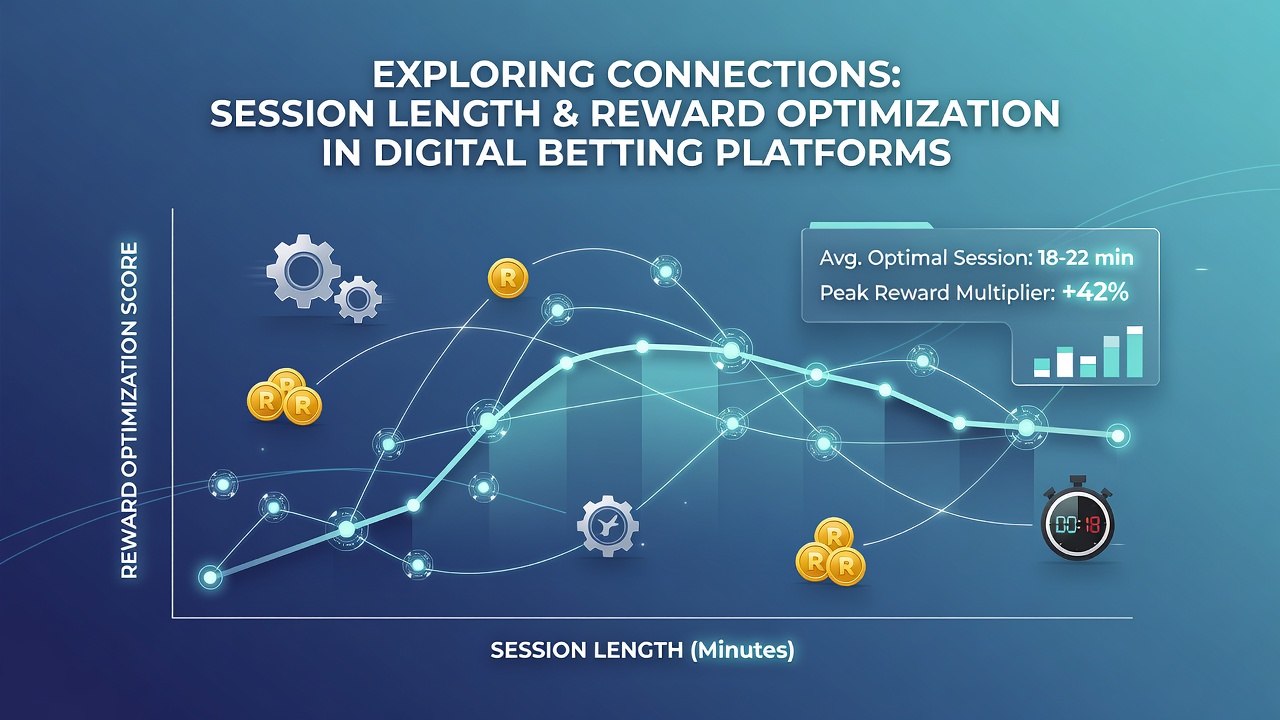
Exploring Connections Between Session Length and Reward Optimization in Digital Betting Platforms
Digital betting platforms have developed intricate systems that tie session duration directly to reward structures, and observers note how these connections shape user engagement patterns across mobile and desktop environments alike. Research from industry analysts shows that algorithms adjust bonus eligibility and loyalty point accrual based on measurable time spent in active play, which creates measurable differences in outcomes for participants who vary their session lengths.
Patterns in Session Duration Across Platforms
Studies tracking user behavior reveal that average sessions on cryptocurrency-enabled apps often range from 25 to 45 minutes during peak hours, whereas traditional fiat platforms report slightly longer averages that extend toward 50 minutes when live dealer tables are involved. Data collected through 2025 and into June 2026 indicates that shorter bursts correlate with higher redemption rates for instant spin bonuses, while extended sessions trigger progressive multipliers in many blockchain-verified environments.
Analysts at the American Gaming Association have documented how mobile integrations allow real-time adjustments, so users who maintain consistent activity windows receive targeted incentives that scale with elapsed time. Those who've examined backend metrics find that platforms prioritize sessions falling within specific brackets because these windows maximize both retention signals and revenue per active account.
Mechanics of Reward Optimization
Reward pathways operate through layered verification systems that monitor consecutive minutes of play and apply conditional boosts once thresholds are crossed. For instance, reaching the 30-minute mark frequently unlocks access to enhanced live table incentives on portable devices, and data shows this mechanic encourages users to extend activity just enough to qualify without crossing into fatigue zones that reduce overall participation frequency.
According to reports from the Alcohol and Gaming Commission of Ontario, optimization engines factor in device type alongside duration, which means tablet sessions lasting over an hour sometimes yield different point multipliers compared to smartphone interactions of identical length. Platforms apply these rules uniformly across regions, yet geographic variations appear when local regulations influence minimum play requirements for bonus activation.
Empirical Correlations and Recent Trends
Evidence from aggregated platform logs demonstrates a clear statistical link where sessions between 40 and 70 minutes produce the strongest reward-to-time ratios for high-value users, and this pattern held steady through early 2026 data releases. Researchers at the International Gaming Institute have noted that deviations either below 20 minutes or above 90 minutes tend to flatten reward curves, prompting developers to introduce time-sensitive prompts that guide activity back toward optimal ranges.
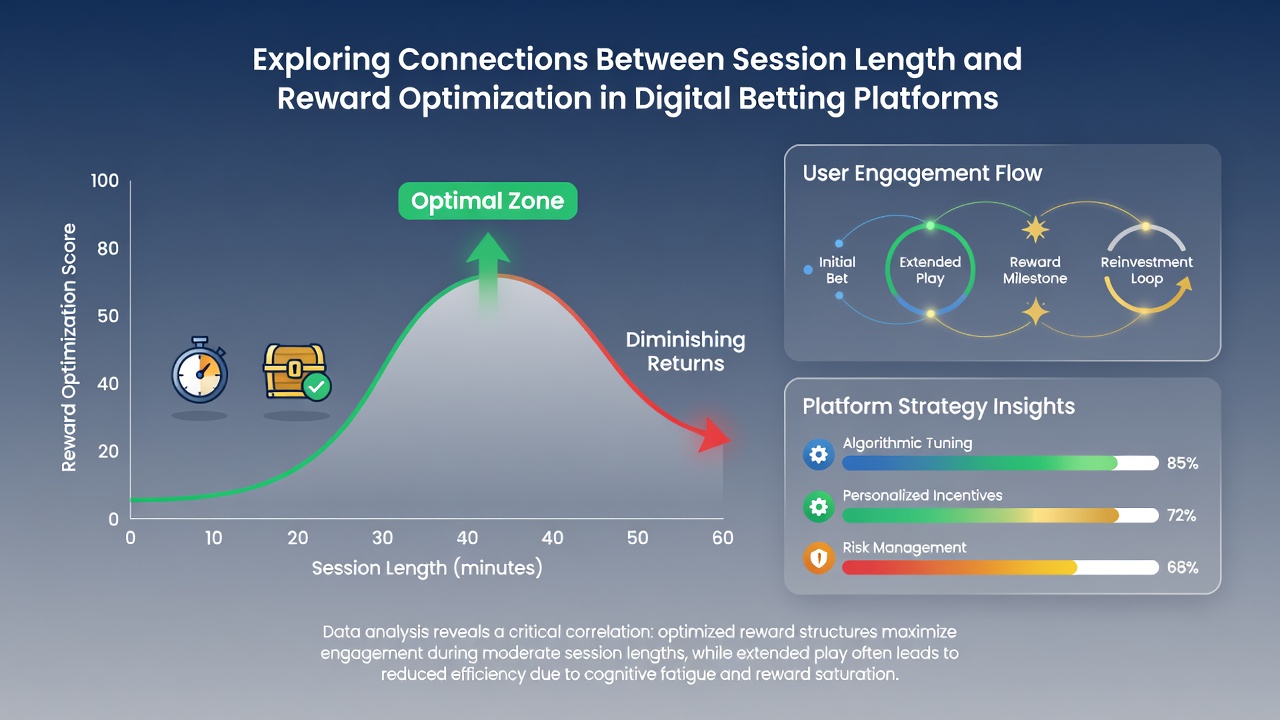
What's significant is how June 2026 updates to several major apps refined these thresholds in response to user retention figures, resulting in more granular tracking of micro-sessions that previously went unmeasured. Observers note that blockchain layers add an extra dimension because transaction verification times can subtly influence perceived session length, leading some platforms to compensate with adjusted bonus triggers.
Regional Variations in Implementation
Platforms operating under Australian regulatory frameworks apply session-based rewards differently than those in North American markets, with emphasis on mandatory cooling intervals after certain durations. Figures from the Australian Communications and Media Authority reveal that these intervals, when paired with optimized reward schedules, maintain engagement levels while complying with harm minimization guidelines that differ from other jurisdictions.
Meanwhile, European operators following Malta Gaming Authority standards have integrated similar duration metrics into their loyalty programs, though they often weight live dealer sessions more heavily than automated table games. This creates distinct accumulation trends where users strategically time their activity to align with peak reward windows identified through platform analytics.
Conclusion
Connections between session length and reward optimization continue to evolve as digital betting platforms refine their algorithms with fresh data streams each quarter. Patterns established through 2026 demonstrate that balanced durations deliver measurable advantages in incentive access, and ongoing research from academic and regulatory bodies will likely shape further refinements in how these systems operate across global markets.