Decoding verification sequences that shape tiered reward pathways across digital wagering ecosystems
Casey Powell · Aug 2, 2026
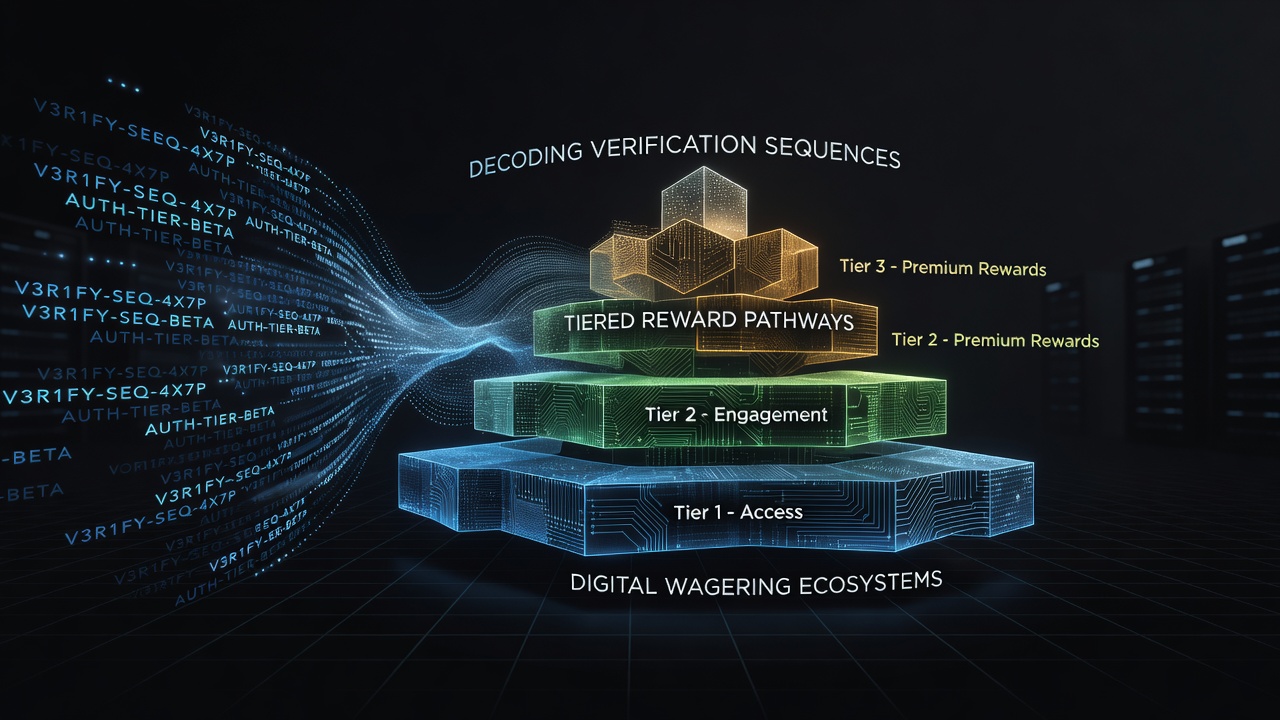
Decoding verification sequences that shape tiered reward pathways across digital wagering ecosystems
Verification sequences in digital wagering ecosystems consist of layered authentication steps that determine access to progressive reward structures, and these processes integrate identity checks, transaction validations plus behavioral monitoring to establish user tiers. Platforms employ sequential protocols where initial account creation triggers basic verification, while subsequent layers involving document submission and financial history review unlock elevated reward categories such as enhanced bonus multipliers along with exclusive event access.
Core Components of Verification Sequences
Operators structure these sequences around regulatory compliance requirements that vary by jurisdiction, and data from the Nevada Gaming Control Board indicates that platforms processing over 500,000 monthly accounts in 2026 maintained verification completion rates above 85 percent for tier advancement. The sequence typically begins with email and phone confirmation, proceeds to government-issued identification upload, then incorporates address verification through utility statements or bank records before advancing to source-of-funds declarations for higher tiers.
Behavioral analytics run parallel to these steps because platforms track session frequency, deposit patterns and game selection to assign tier points independently of static identity data. This dual-track approach allows reward pathways to adjust dynamically as users meet volume thresholds even when full documentation remains pending in certain categories.
Tiered Reward Structures and Sequence Triggers
Reward pathways organize into bronze, silver, gold and platinum levels where each tier requires specific verification milestones plus cumulative activity metrics. Advancement from bronze to silver often hinges on completion of identity verification plus a minimum deposit threshold within a 30-day window, whereas gold tier entry demands source-of-funds documentation and sustained play volume exceeding established benchmarks.
Platinum pathways incorporate additional biometric verification elements such as facial recognition during live sessions, and these extra layers correlate with access to private tournaments and personalized account managers. Research from the University of Nevada, Las Vegas gaming studies department shows that platforms implementing multi-factor verification sequences experienced 22 percent higher retention rates among users who reached gold tier or above during the first half of 2026.

Blockchain Integration and Sequence Automation
Many ecosystems now embed blockchain-based verification sequences that record each authentication step on distributed ledgers, and this approach reduces processing delays while creating immutable audit trails for regulatory review. Automated smart contracts trigger reward tier upgrades once predefined verification conditions receive confirmation across multiple nodes, which eliminates manual review bottlenecks for standard accounts.
August 2026 saw increased adoption of these automated sequences among operators handling cryptocurrency transactions because transaction hash verification combined with wallet address confirmation provides an additional data layer that feeds directly into tier calculation algorithms. Observers note that this integration allows platforms to maintain reward pathway consistency across mobile and desktop environments without duplicating verification efforts.
Regional Variations in Sequence Design
European operators under Malta Gaming Authority oversight emphasize extended cooling-off periods between verification stages for higher tiers, whereas North American platforms prioritize rapid identity confirmation to comply with state-level reporting mandates. Australian regulatory frameworks require source-of-funds verification at lower activity thresholds than many other regions, which shifts the timing of tier advancement for users in those markets.
These regional differences create distinct reward pathway shapes because verification completion timelines directly influence how quickly users accumulate tier points and unlock associated benefits. Platforms operating across multiple jurisdictions maintain separate sequence branches to satisfy each regulatory environment while preserving a unified user interface for reward tracking.
Conclusion
Verification sequences function as gatekeepers that calibrate reward pathway access across digital wagering ecosystems through systematic identity, financial and behavioral checkpoints. Data indicates these structured processes support both regulatory compliance and operational efficiency while enabling operators to differentiate user experiences based on verified engagement levels. As platforms continue refining sequence automation through blockchain and analytics integration, the resulting tiered structures reflect precise calibration of verification milestones with reward distribution mechanisms.