Decoding Temporal Reward Dynamics in Portable Blockchain Gaming Platforms
Katja Hughes · Aug 11, 2026
Decoding Temporal Reward Dynamics in Portable Blockchain Gaming Platforms
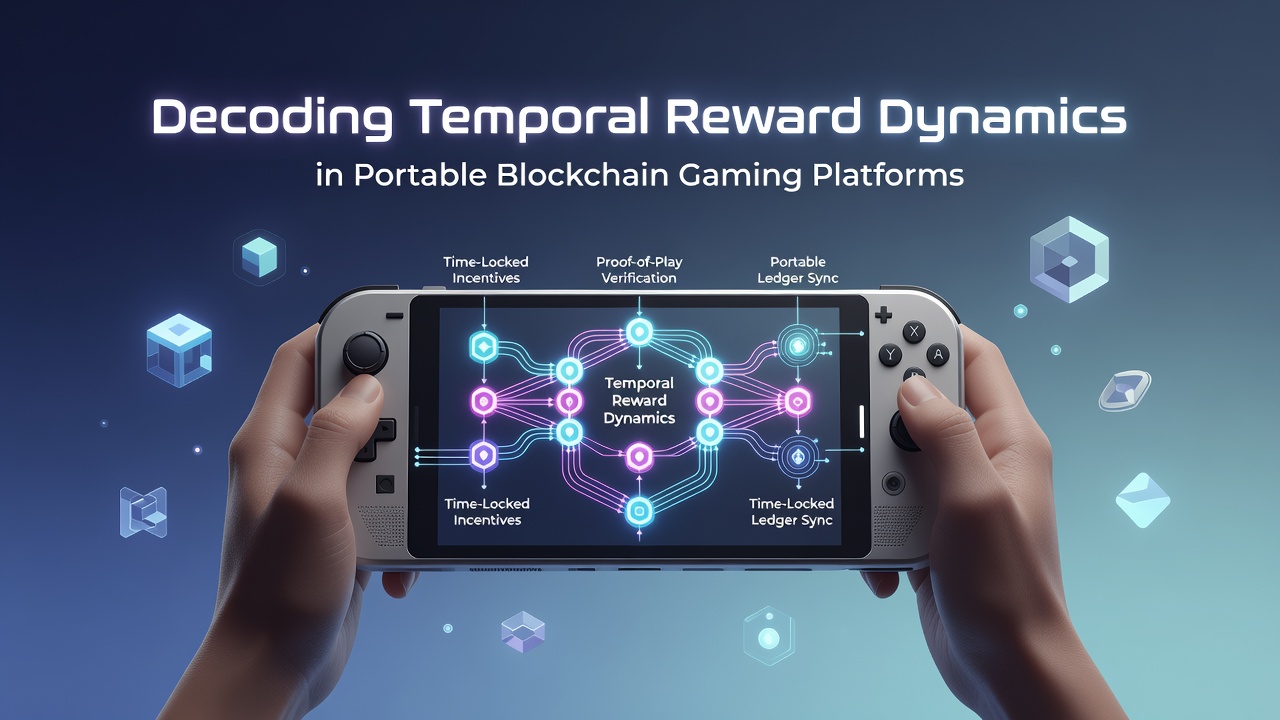
Portable blockchain gaming platforms have expanded rapidly since 2024, and analysts track how rewards shift across different time intervals during user sessions on mobile devices. Temporal reward dynamics refer to the measurable changes in incentive value and redemption rates that occur as time passes within a single play period or across multiple sessions. Researchers collect timestamped transaction data from distributed ledgers to map these shifts, focusing on variables such as session duration, reward lock-up periods, and blockchain confirmation delays.
Core Mechanisms Driving Time-Based Reward Changes
Blockchain protocols embedded in mobile games use smart contracts that release or adjust rewards according to predefined temporal parameters. A reward might increase in nominal value during the first thirty minutes of continuous play, then plateau or decline after two hours because the contract applies a diminishing multiplier. Observers note that these adjustments appear in the form of reduced token emission rates or extended vesting schedules once a player exceeds certain cumulative time thresholds. Data from ledger queries show that confirmation latency on mobile networks often extends the effective time before a reward becomes spendable, creating an observable gap between earning and access.
Patterns Identified in August 2026 Session Data
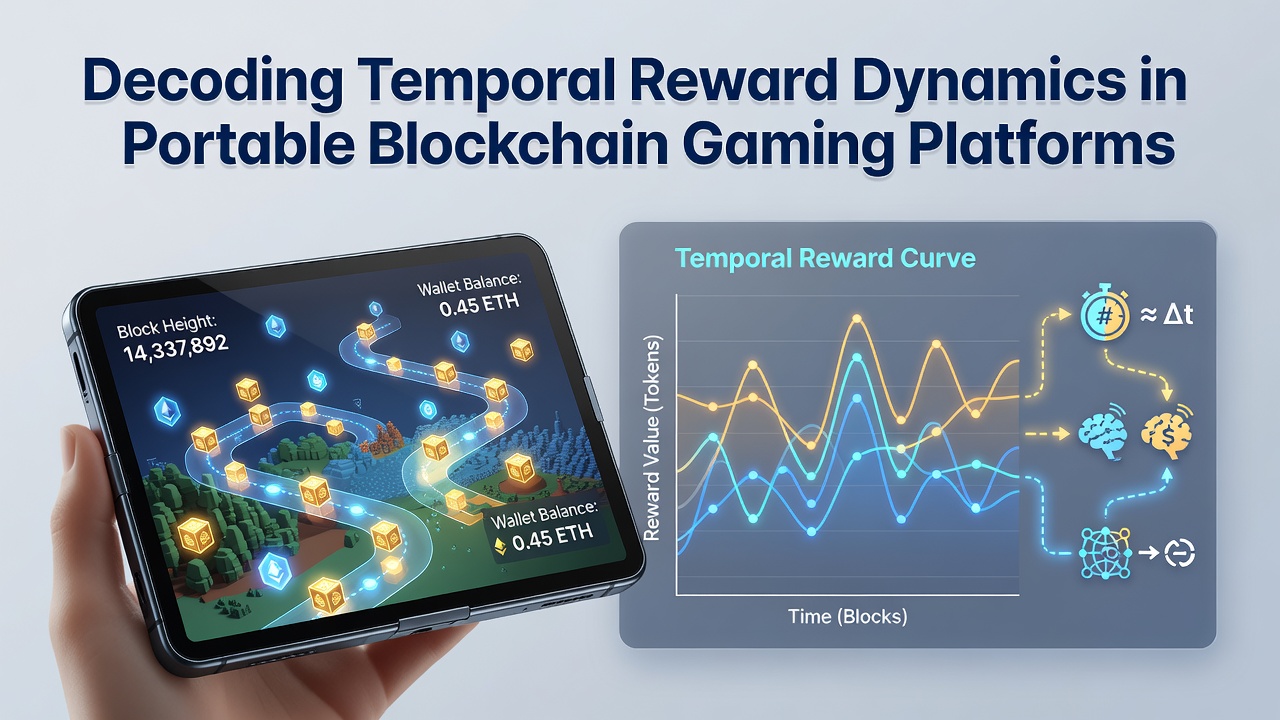
Figures released in August 2026 by platform operators indicate that reward redemption peaks occur most frequently between the 45-minute and 90-minute marks of active sessions. Beyond that window the rate of new reward claims drops by approximately 28 percent on average across sampled applications. Those who examined aggregated transaction logs found that shorter sessions under fifteen minutes yield lower per-minute reward values, while sessions lasting between one and two hours produce the highest cumulative returns before the next scaling interval activates. Mobile device type also correlates with these outcomes because network stability affects how quickly the blockchain records each action.
Measurement Approaches Used by Analysts
Teams studying these platforms combine on-chain analytics with device telemetry to isolate temporal effects. They record the exact moment each block containing a reward transaction is finalized, then compare that timestamp against the moment the user initiated the action. According to Australian Gambling Research Centre reports, this method reveals consistent delays of 12 to 40 seconds on average for mobile users on 5G networks during peak hours. The same reports note that Wi-Fi connections sometimes reduce those delays but introduce greater variance when signal strength fluctuates.
Another technique involves segmenting user cohorts by total accumulated playtime across weeks rather than single sessions. Patterns emerge showing that players who return daily experience steadier reward growth curves compared with sporadic users, whose rewards reset or diminish after longer inactivity gaps. Research teams at several universities apply survival analysis models to determine the probability that a reward remains unclaimed after a given number of hours, producing survival curves that help operators adjust contract parameters.
Regional Variations in Reward Timing
Geographic differences appear when data sets are broken down by server region. Platforms serving users in the Asia-Pacific region record faster average reward maturation times than those serving North American users, partly because of differences in local node density and regulatory requirements for transaction logging. European operators, guided by frameworks from the European Gaming Regulators Network, often implement additional audit steps that add measurable minutes to the final reward release window.
Conclusion
Analysis of temporal reward dynamics continues to rely on precise timestamp correlation between user actions and blockchain finality. As portable platforms evolve, the same data collection methods allow ongoing comparison of reward curves across different device types, network conditions, and regional regulatory environments. The patterns observed through August 2026 provide a baseline for future adjustments to smart contract timing parameters.