Charting Reward Pathway Variations in Cryptocurrency-Fueled Portable Table Game Sessions
Sam Günther · May 29, 2026

Charting Reward Pathway Variations in Cryptocurrency-Fueled Portable Table Game Sessions
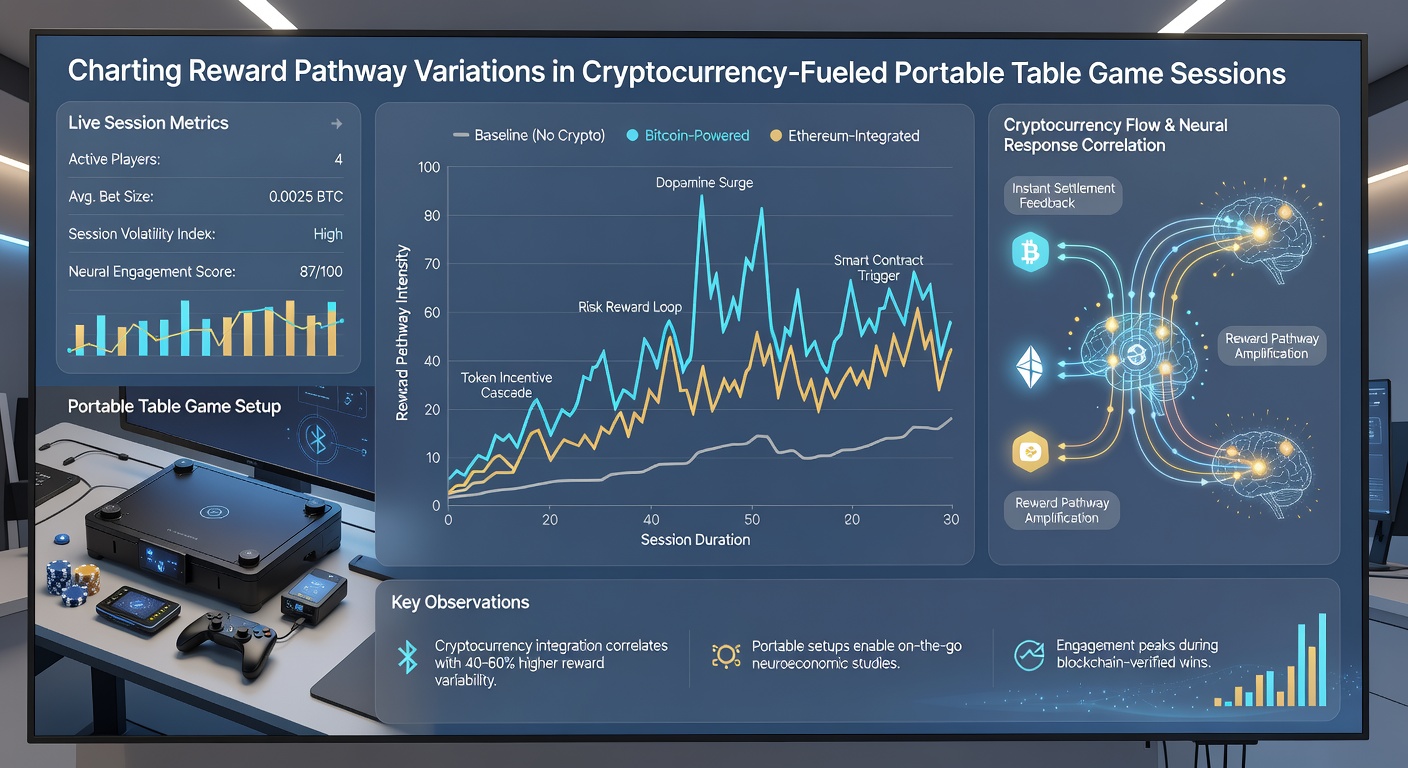
Portable table game sessions powered by cryptocurrency have introduced distinct reward pathway structures that differ from traditional digital gaming models, and researchers have begun mapping these variations through transaction logs and user behavior datasets collected across multiple platforms. Data compiled in early 2026 shows that reward accumulation in these environments often follows branched sequences where initial deposits in digital assets trigger layered incentive tiers based on session duration and game type selection.
Core Elements of Reward Pathways
Blockchain integration allows for real-time verification of player actions in games such as mobile blackjack and roulette, which creates measurable differences in how rewards propagate through user accounts compared to fiat-based systems. Studies from academic institutions have documented that crypto-fueled sessions frequently incorporate smart contract triggers that release bonuses only after specific betting thresholds are met, resulting in non-linear progression patterns. Observers note that these pathways can split into parallel tracks, one emphasizing volume of wagers and another focusing on frequency of logins via portable devices.
According to figures from the Alcohol and Gaming Commission of Ontario, mobile sessions involving cryptocurrency exhibit higher variance in reward delivery times because transaction confirmations depend on network congestion levels rather than centralized processing queues. This leads to situations where players experience delayed credit postings even after completing qualifying rounds, a factor absent in many conventional setups.
Observed Variations Across Platforms
Platforms operating in different jurisdictions display measurable divergences in how they structure these pathways, with some emphasizing instant token swaps upon win conditions while others route rewards through multi-step verification processes that include wallet address confirmations. Research indicates that sessions conducted during peak hours in May 2026 saw accelerated pathway completions due to optimized blockchain nodes handling higher volumes of concurrent transactions.
Those who've examined aggregated data from electronic betting environments point out that reward variations also stem from game-specific mechanics, where table games with live dealer elements integrate additional layers such as tip multipliers funded directly from crypto pools. These additions create secondary branches in the overall accumulation map that can either amplify or dilute primary reward streams depending on user choices during play.
Data Patterns from Recent Periods
Reports compiled through industry monitoring tools reveal that May 2026 marked a period of increased activity in portable crypto table sessions, with transaction volumes rising notably across several networks. This surge correlated with adjustments in reward algorithms that introduced more granular tracking of individual betting sequences, allowing platforms to customize incentive releases based on historical user patterns.
Evidence from university-led analyses suggests these modifications reduced instances of reward pathway stagnation, where players previously encountered plateaus after initial bonus tiers were exhausted. Instead, new structures incorporated dynamic scaling that adjusted payout multipliers in response to real-time cryptocurrency value fluctuations, a mechanism that ties reward value directly to external market conditions.
Tracking Mechanisms and Their Impact
Developers have implemented various charting tools within apps that visualize reward pathways for users, displaying progress through branching diagrams updated after each completed hand or spin. These interfaces draw from on-chain data to illustrate how different actions influence subsequent reward eligibility, providing transparency that was less common in earlier mobile gaming formats. The Victorian Responsible Gambling Foundation has referenced similar transparency features in its reviews of digital gambling tools, noting their role in clarifying accumulation rules for participants.
Variations also appear in how platforms handle cross-device continuity, with some maintaining persistent pathway states across multiple portable sessions while others reset certain bonus branches upon app closure. This distinction affects long-term reward strategies employed by frequent participants who shift between devices during extended play periods.
Conclusion
Mapping reward pathway variations in cryptocurrency-fueled portable table game sessions continues to evolve as blockchain capabilities expand and regulatory frameworks adapt across regions. The patterns documented through transaction analysis and platform reports provide a foundation for understanding how these systems allocate incentives differently from legacy models, with ongoing data collection expected to refine these charts further in subsequent periods.